
Studying in the United Kingdom is a goal for many Indonesian students—whether through a student exchange programme, an academic gap year, or direct university progression after secondary school. Two requirements often discussed by students and parents are A Level and IELTS. This article explains what they are, why they are often prepared together, and how students can organise both pathways efficiently.
Why Prepare A Level and IELTS Together?
Strong academic results alone may not cover every requirement for international applicants to UK universities. Students commonly need to demonstrate both academic readiness and English-language proficiency:
- A Level — evidence of academic readiness through a qualification aligned with the British Sixth Form system. A Level qualifications are offered by awarding organisations such as Pearson Edexcel, Cambridge International, and AQA.
- IELTS — evidence of academic English proficiency, with score requirements varying by course and university.
Because admission requirements differ between universities and programmes, students should always check the specific requirements of their intended institution. Preparing academic qualifications and English proficiency in parallel can make the application process more organised.
Preparing for A Level in Indonesia
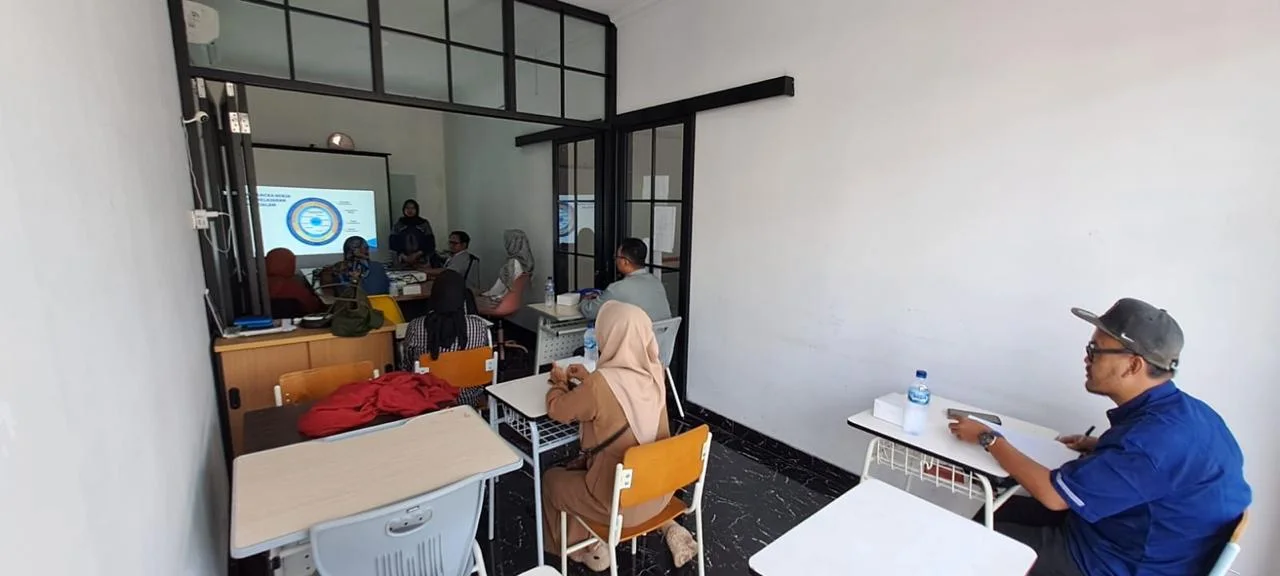
Students do not necessarily need to move to the UK before beginning A Level. In Indonesia, approved education centres can offer Pearson Edexcel programmes and examinations, allowing students to work toward internationally recognised qualifications from Jakarta.
Potential advantages of completing A Level preparation in Indonesia before an exchange programme or university study in the UK include:
- Potentially lower overall costs than completing the full Sixth Form period in the UK.
- A familiar learning environment while following an international curriculum and assessment system.
- More flexible IELTS preparation time, because English-language preparation can be scheduled alongside A Level study.
- Stronger application preparation, as students can work on both academic results and English proficiency before departure.
Strategies for Preparing A Level and IELTS at the Same Time
1. Start IELTS Preparation Early in the A Level Period
Students do not need to wait until A Level is complete before preparing for IELTS. Academic English skills developed during A Level—such as reading complex texts, analytical writing, and presentations—can support IELTS preparation, particularly Reading and Writing.
2. Choose A Level Subjects Based on Future Study Plans
UK universities may require particular A Level subject combinations for certain degree programmes. Students should review their target course requirements early and select subjects accordingly.
3. Take IELTS Practice Tests Regularly
Rather than leaving IELTS preparation until just before applications open, students can schedule periodic practice tests to monitor progress and work toward their target score gradually.
4. Research Student Exchange Opportunities Early
Student exchange programmes may have specific application timelines and requirements. Students who already have a clear A Level pathway and measurable IELTS progress are generally better prepared when suitable opportunities become available.
Conclusion
A Level and IELTS do not have to be treated as completely separate goals. They can be prepared side by side so that students build both international academic qualifications and English-language readiness. Studying A Level through a Pearson Edexcel Approved Centre in Indonesia can give students an international academic pathway while allowing more time to prepare IELTS before a student exchange programme or university application in the UK.
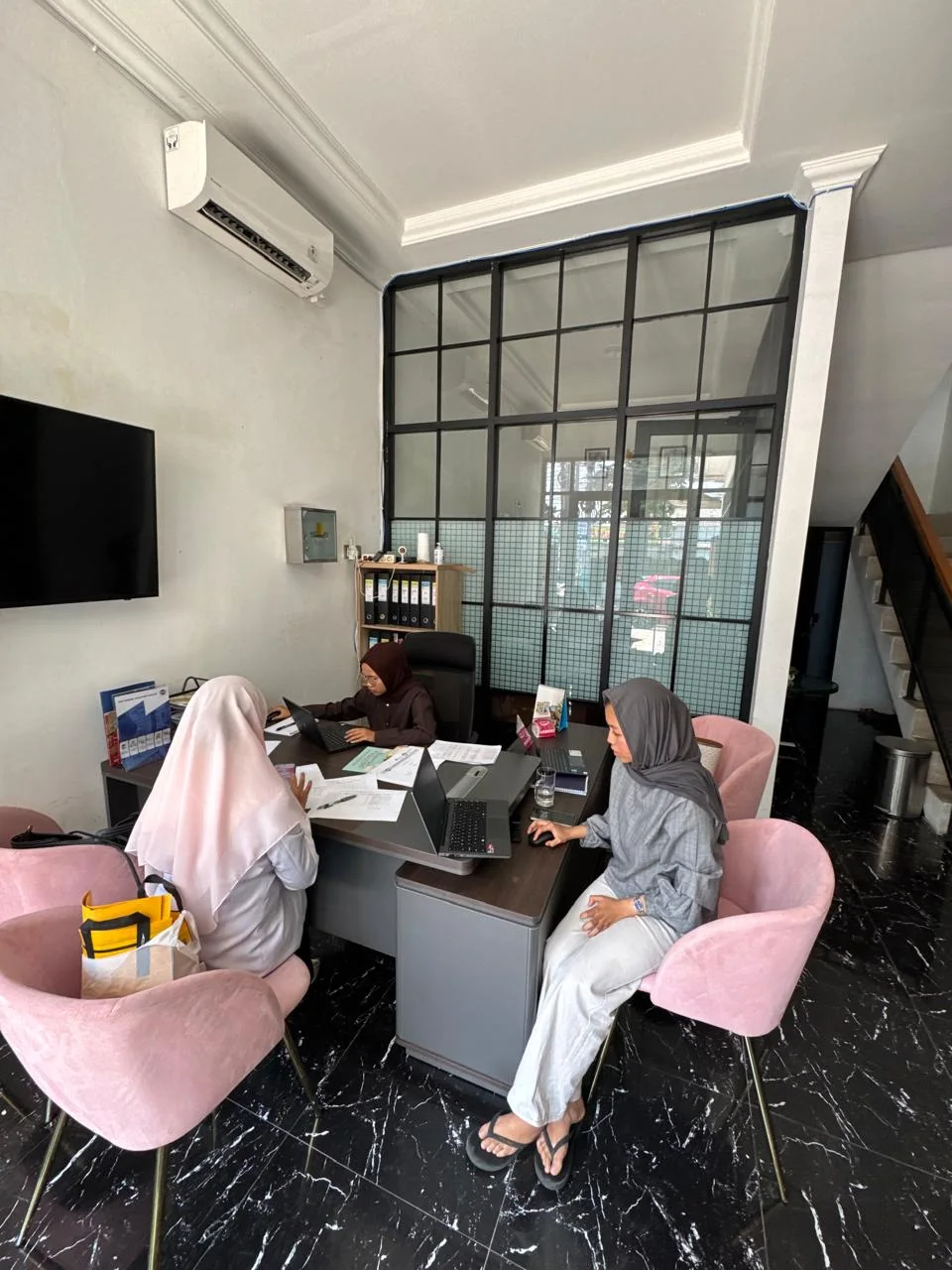
Students and parents who would like to learn more about Pearson Edexcel A Level pathways in Jakarta can contact a verified Pearson Edexcel Approved Centre for programme and admissions information.
Preparing for A Level and a future study pathway to the UK? Explore Discovery Private programmes and schedule an admissions consultation.