

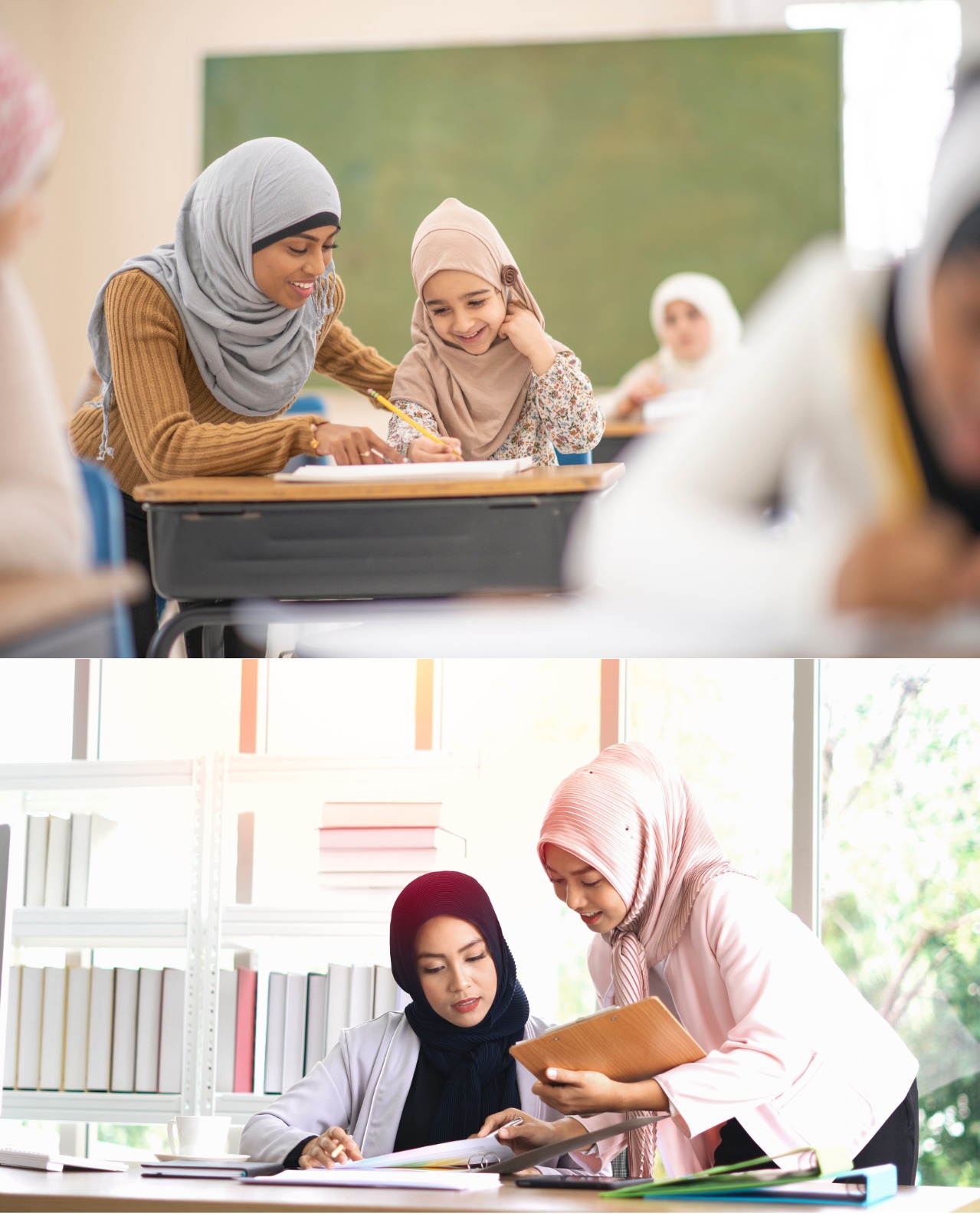
17 Jul Why More Muslim Families Are ChoosingInternational Homeschooling: A Complete Guidefor Modern Parents
Introduction
Across the world, Muslim families are rethinking what quality education should look like.
For decades, traditional schools have been the default choice. Today, however, advances in technology,the growth of internationally recognized online learning, and changing family lifestyles have creatednew possibilities. Homeschooling has become an increasingly attractive option for families seekingflexibility, personalized learning, and stronger parental involvement. Research from Indonesia alsoshows that Islamic homeschooling has grown as an educational alternative motivated by academic,family, moral, and religious considerations.
International homeschooling is no longer simply “studying at home.” It has evolved into a structurededucational model that combines world-class academic standards with individualized learningpathways.
For Muslim families, homeschooling can also provide greater flexibility to integrate faith, family values,and academic excellence into a child’s daily education.
What Is International Homeschooling?
International homeschooling is an educational approach in which students learn primarily outside atraditional school while following internationally recognized curricula such as:
- Cambridge International
- Pearson Edexcel
- American Curriculum
- Australian Curriculum
Students typically learn with qualified teachers, structured lesson plans, digital learning platforms, andregular assessments, depending on the chosen program.
Why Muslim Families Are ConsideringHomeschooling
Every family has different reasons.
Some seek greater academic flexibility.
Others travel frequently.
Some children are professional athletes, artists, or entrepreneurs.
Many parents simply want a learning environment that better matches their family’s priorities.
Common reasons include:
- Flexible schedules
- Individualized instruction
- International curriculum
- Safe learning environment
- Stronger parent involvement
- Better work-life-learning balance
- Opportunity to integrate Islamic values within family life
Common Misconceptions
“Homeschooling means children study alone.”
Not necessarily.
Modern homeschooling often includes live online classes, private tutoring, project-based learning,clubs, educational trips, sports, and community activities.
“Homeschooled students cannot enter university.”
Incorrect.
Many universities around the world accept applicants educated through recognized homeschoolingpathways, provided they meet the institution’s admission requirements and hold accepted academicqualifications.
Parents should always verify the specific admission policies of their target universities.
“Children will not socialize.”
Socialization depends on the opportunities families create, not only on attending a conventional school.
Many homeschooling students participate in:
- Sports
- Arts
- Volunteering
- Competitions
- community activities
- youth organizations
Benefits of International Homeschooling
- Personalized Learning
Every child learns differently.
Homeschooling allows instruction to be adapted to each student’s pace, strengths, and interests.
- Global Curriculum
Students may prepare for internationally recognized qualifications that support applications touniversities worldwide.
- Flexible Lifestyle
Homeschooling is well suited for families who:
- relocate frequently,
- travel for work,
- live abroad,
- or require more adaptable schedules.
- Strong Parent Partnership
Parents become active partners in their child’s education rather than passive observers.
- Character Development
Academic success is important.
Character is equally important.
Many families intentionally combine academic learning with values such as:
- integrity
- compassion
- responsibility
- leadership
- discipline
- respect
Is Homeschooling Right for Every Family?
Not always.
Successful homeschooling requires:
- commitment from parents,
- appropriate learning resources,
- qualified educators,
- consistent planning,
- and regular evaluation.
Families should carefully assess whether homeschooling matches their goals and circumstances.
The Future of Education
Education is becoming increasingly flexible.
Blended learning, online instruction, personalized education, and global classrooms are expandingeducational choices for families around the world. At the same time, parents continue to value high-quality academics alongside environments that reflect their family’s values and long-term aspirations.
International homeschooling represents one of these evolving pathways.
Final Thoughts
Choosing a child’s education is one of the most important decisions a family will make.
There is no single model that is best for every child.
The best educational pathway is one that helps each learner grow academically, socially, emotionally,and ethically while preparing them for future opportunities.
For many families, international homeschooling has become one meaningful option worth considering.
